

Mosehe Wonua Routa: Purifying the Heart and Preserving Tradition in the Land of Konawe

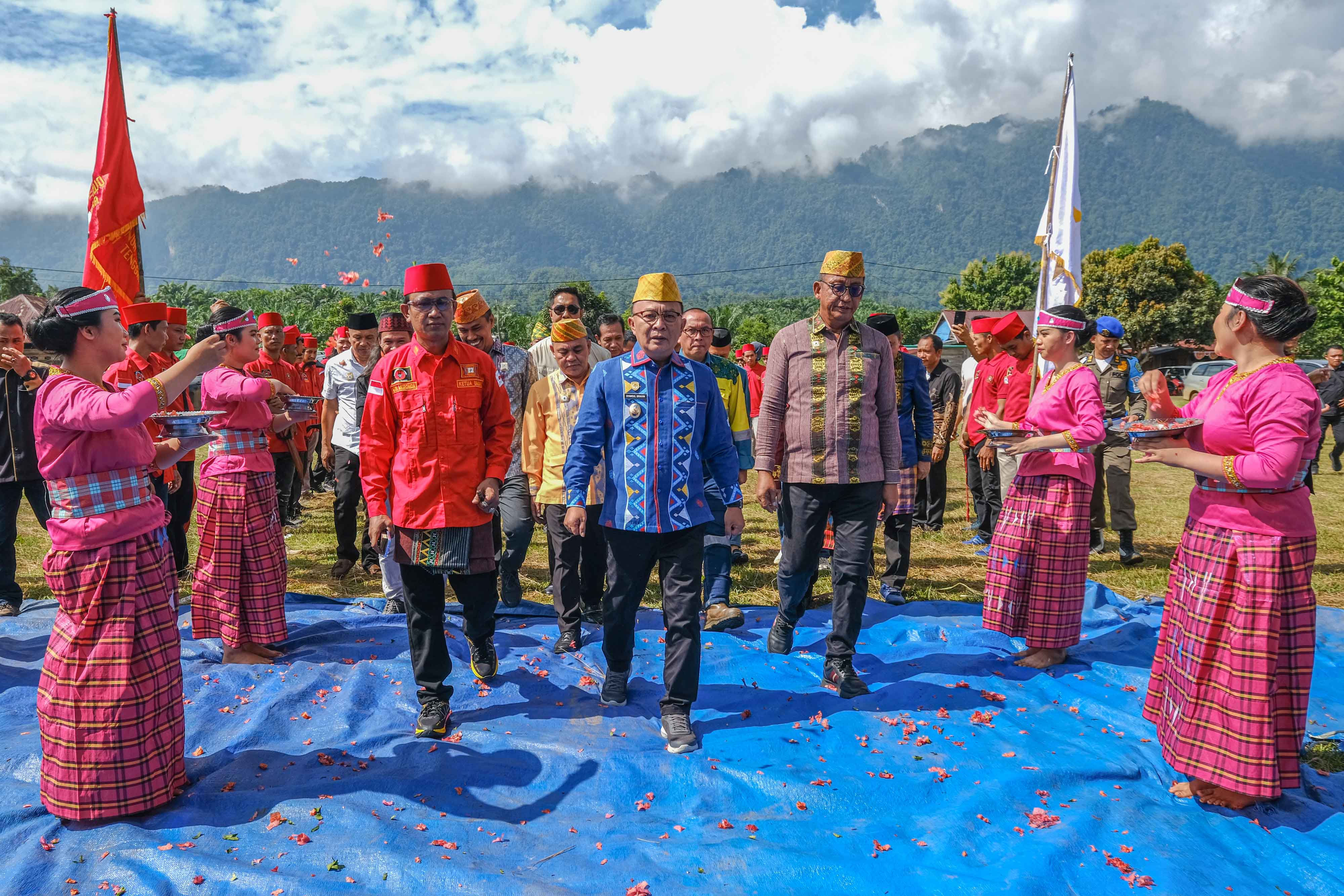
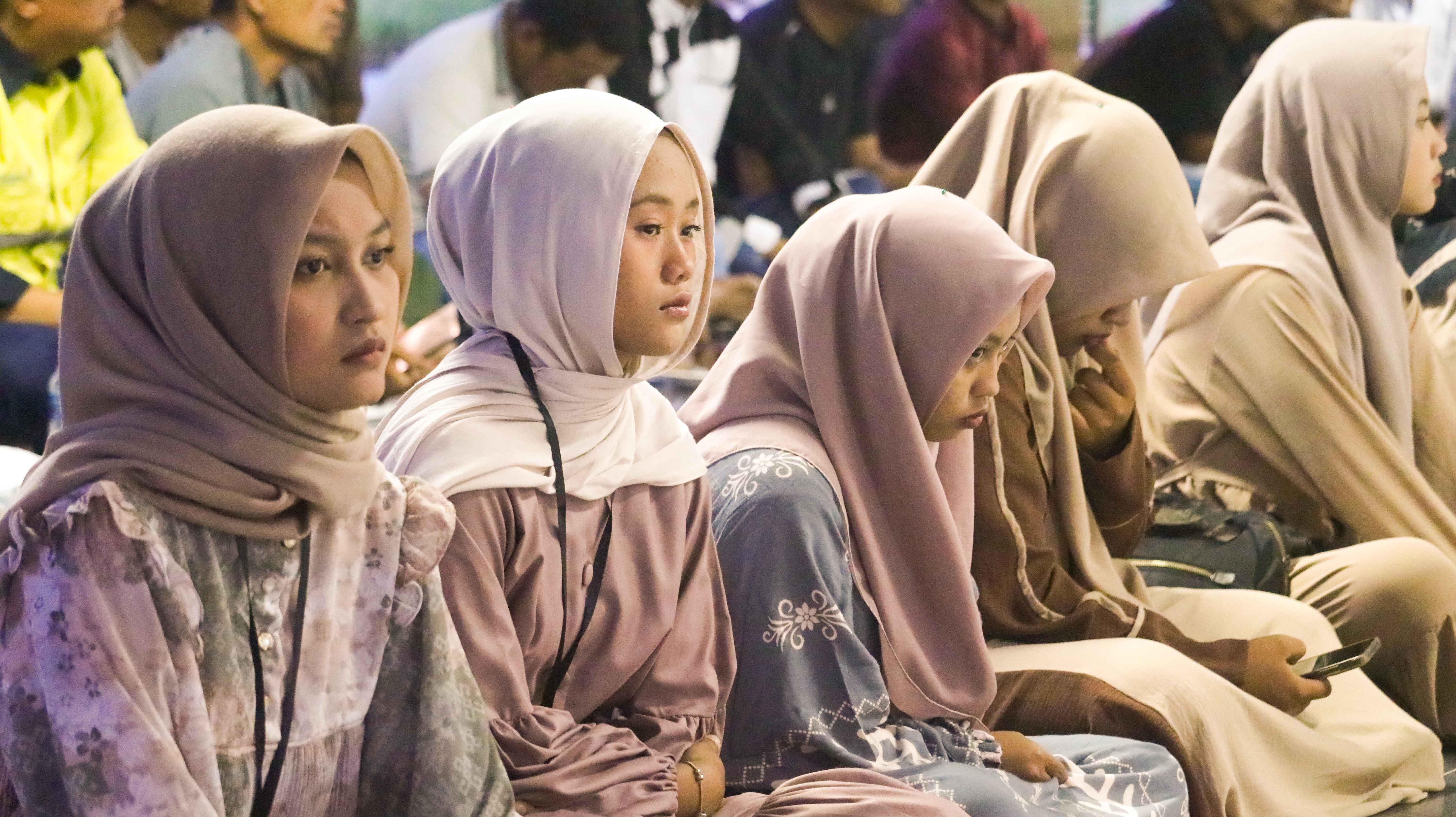
The morning sun felt different in Lalomerui Village on Saturday, 7 February 2026. With bright expressions, hundreds of residents from villages across Routa Subdistrict gathered at the village’s proud central field. The day was not an ordinary gathering, but a historic moment. For the first time, the Mosehe Wonua ritual was held in Lalomerui, the most remote area of Konawe Regency, Southeast Sulawesi.
Mosehe Wonua is a sacred customary ritual of territorial purification practiced by the Tolaki people, one of the ethnic groups of Southeast Sulawesi. The ritual aims to cleanse the self and the land, reconcile conflicts, and ward off misfortune by seeking protection from the Creator so that the region may be spared from harm.
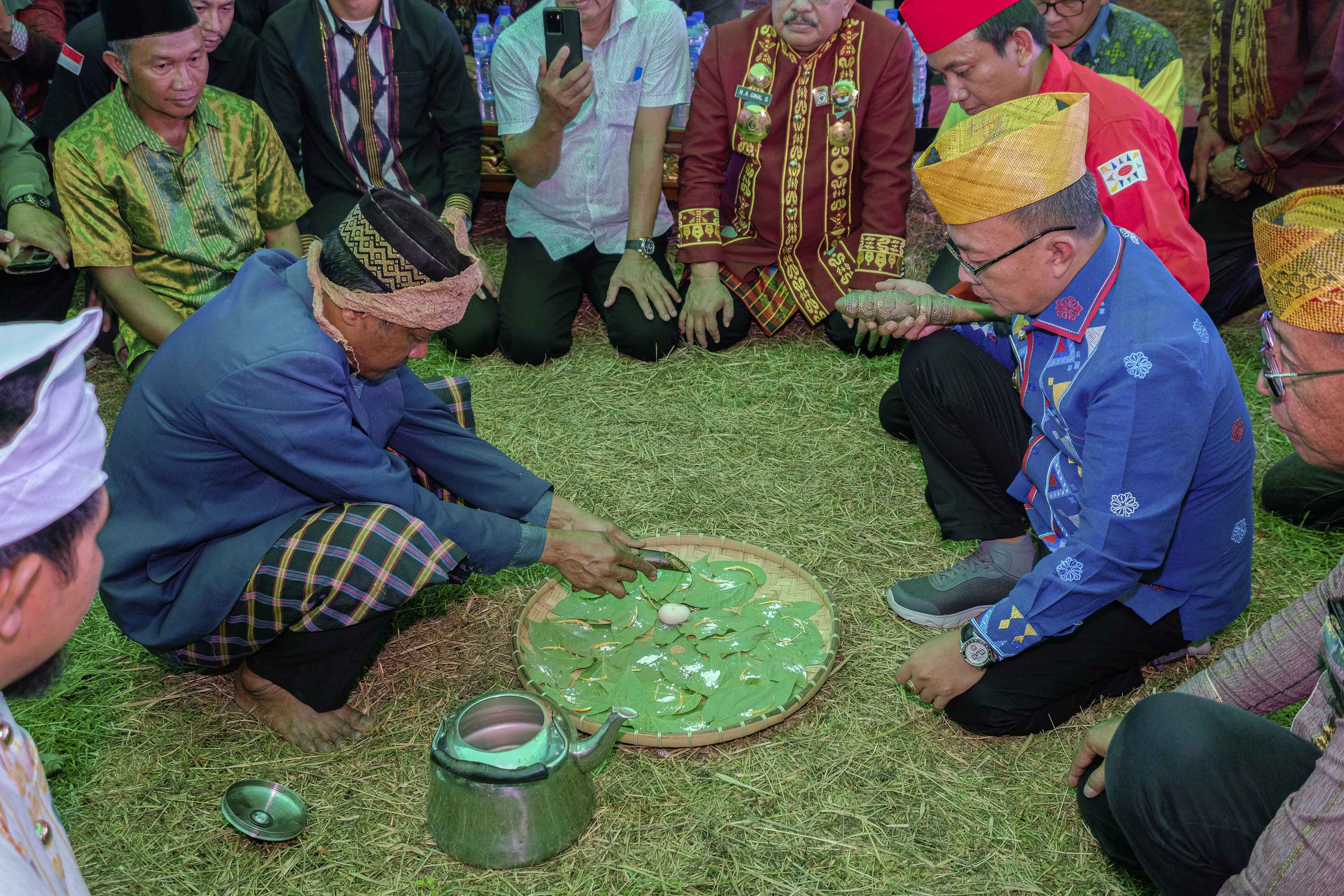
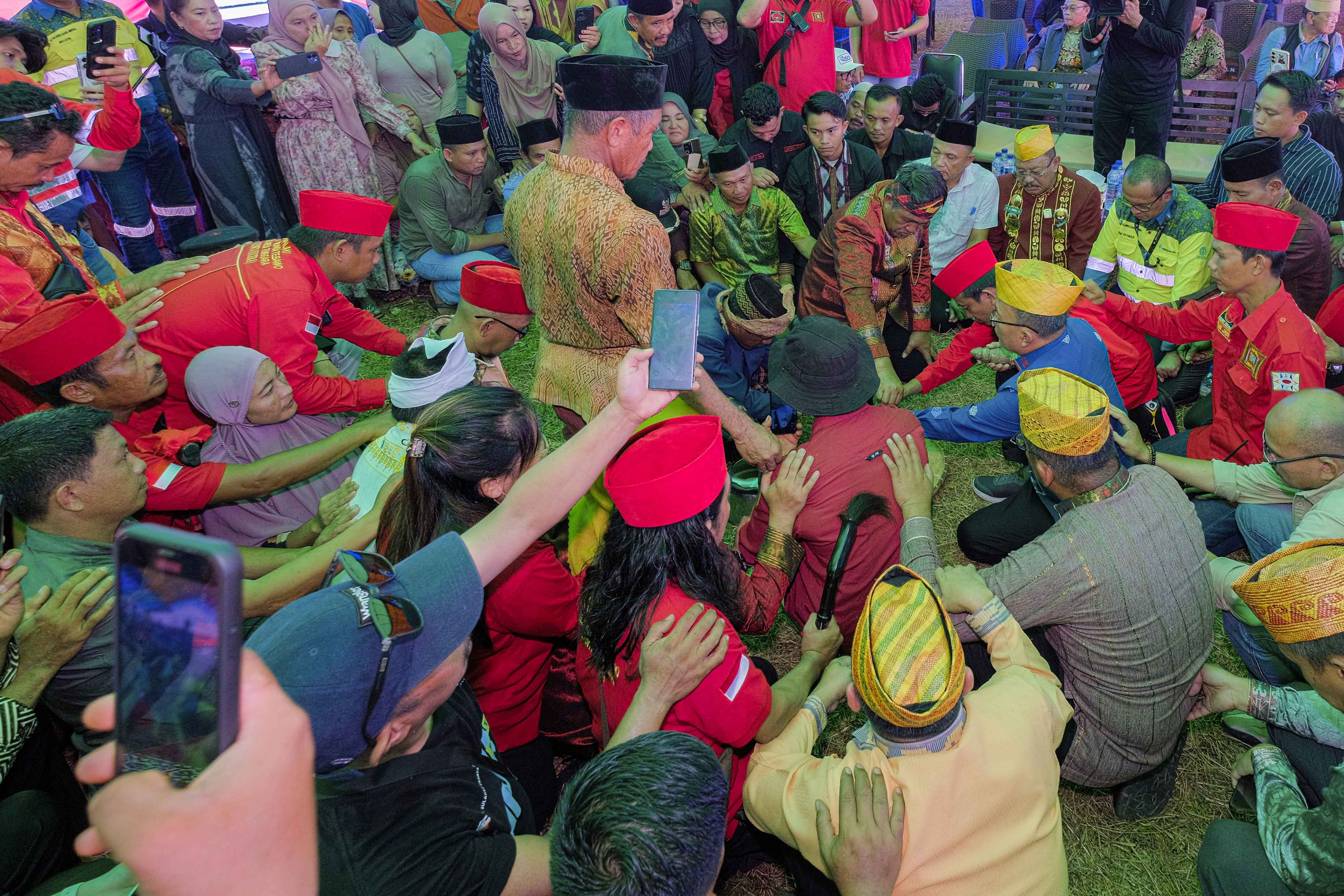
The procession began solemnly with the Pengangkatan Adat, or the formal declaration of the ritual’s intent. Led by the To-ono Mo-tuo, or customary elders, of the Tolaki Customary Council, the ceremony involved the Vice Regent of Konawe, Syamsul Ibrahim, as the respected elder figure. The presence of customary leaders alongside government officials symbolized the harmony between traditional order and formal governance. Also in attendance were representatives of the Konawe Regency DPRD, officials from the regency and Routa Subdistrict governments, and village heads from across Routa.
Following the declaration, the ritual continued with a collective prayer. All participants bowed their heads in reverence. Holding hands or gently touching each other’s shoulders, they prayed together, offering hopes for the safety and well-being of the entire Routa community. The ritual then proceeded with a water-sprinkling procession. Water that had been prayed over was sprinkled onto those present, symbolizing inner purification and the cooling of the soul for every resident of Routa.
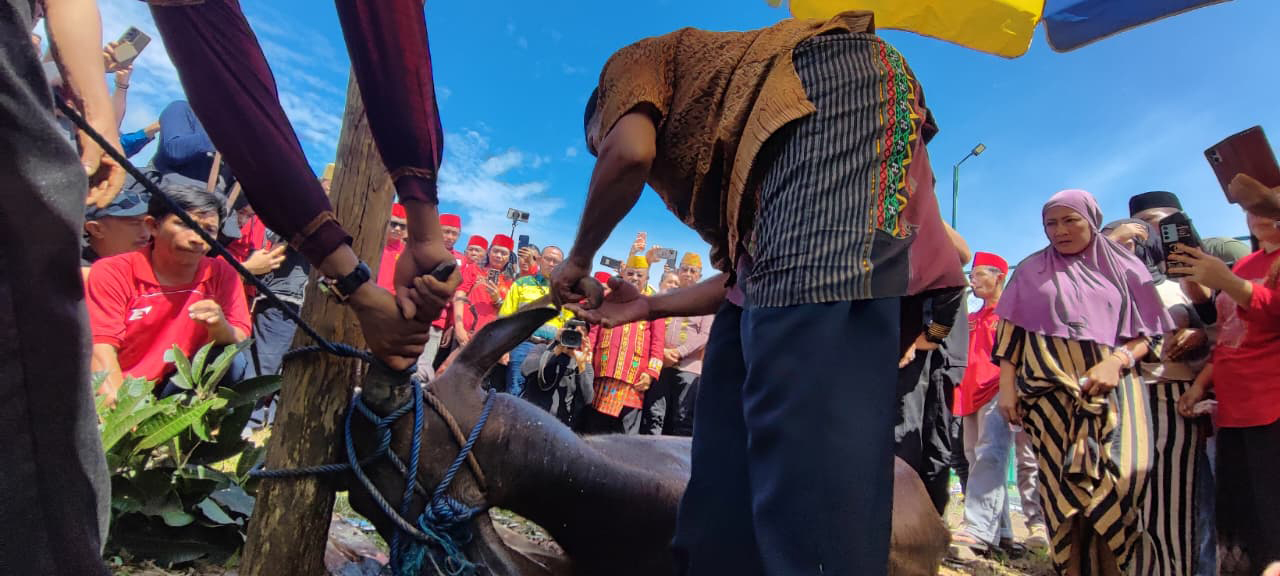
The climax of the Mosehe Wonua ritual was marked by the sacrifice of a buffalo. The blood that was shed symbolized atonement and the rejection of misfortune. Through this offering, the community sought to release negative energies and replace them with gratitude for the abundance bestowed upon the land of Routa.
The event was attended not only by residents and government representatives, but also by the private sector. The Head of Mine Technical of PT Sulawesi Cahaya Mineral (SCM), Didik Fotunadi, along with representatives of SCM contractors, took part in the ritual with deep respect, underscoring that industry and tradition can coexist in harmony.
In his remarks, Vice Regent Syamsul Ibrahim emphasized the importance of maintaining harmony between the community and companies operating in the area. “Mosehe Wonua purifies ourselves and our land so that we are kept away from misfortune. This is the first time in Routa’s history that Mosehe Wonua has been held,” he said. “I hope this ritual becomes a momentum to strengthen bonds with local communities, especially in Routa. We must work together to develop this area into a miniature of the most beautiful town in Konawe and Southeast Sulawesi.”
Echoing this sentiment, Routa Urban Village Head Ahmad stated that the collaboration between residents and the company to revive this nearly extinct ritual was a major step toward unity. “This event is sacred and is being held for the first time in Routa. It serves as a forum to unite all Routa residents,” he said. “If disputes arise, we should sit together and involve customary institutions. In Routa, we have always prioritized customary resolution for the sake of peace.”
From the industry perspective, Didik Fotunadi reaffirmed SCM, a subsidiary of PT Merdeka Battery Materials Tbk (IDX: MBMA), commitment to contributing to communities around its mining operations through various economic and infrastructure development programs. “Our contribution to the Mosehe Wonua event reflects our commitment to respecting local wisdom and cultural traditions in the communities surrounding SCM’s mining area in Routa,” he said. “As a ‘neighbour’ in Routa, we also need a safe and conducive environment so that our operations can continue to deliver positive contributions to community welfare. SCM will continue to work in synergy with local government and the community.”
As the ritual concluded and all prayers had been offered, a profound hope lingered on the Lalomerui field: that economic progress would never erode the noble values passed down by Tolaki ancestors. Routa now stands not only spiritually cleansed, but also ready to embrace a more harmonious future.
*